
Key Takeaways
- THCA flower is raw cannabis flower containing tetrahydrocannabinolic acid, a non-psychoactive precursor to THC
- THCA only becomes psychoactive when heated through smoking, vaping, or cooking (a process called decarboxylation)
- Hemp-derived THCA flower with less than 0.3% Delta-9 THC is federally legal under the 2018 Farm Bill
- Research suggests THCA may offer anti-inflammatory, neuroprotective, and anti-nausea benefits
- You can consume THCA flower raw for wellness benefits or heat it for traditional cannabis effects
Table of Contents
- What Is THCA Flower?
- THCA vs THC: Understanding the Difference
- How Is THCA Flower Made?
- The Science Behind Decarboxylation
- Potential Benefits of THCA Flower
- How to Use THCA Flower
- Is THCA Flower Legal?
- What Is THCA Infused Flower?
- Choosing Quality THCA Flower
- FAQs About THCA Flower
If you’ve been exploring the world of hemp and cannabis products lately, you’ve probably encountered the term “THCA flower” and wondered what all the buzz is about. So, what is THCA flower, exactly? In simple terms, it’s raw cannabis flower that contains high levels of tetrahydrocannabinolic acid (THCA)—a naturally occurring cannabinoid that won’t get you high in its raw form but converts to THC when heated.
This distinction has made THCA flower incredibly popular among cannabis enthusiasts across Texas and throughout the United States. Whether you’re seeking potential therapeutic benefits without intoxication or looking for a federally legal way to enjoy traditional cannabis effects, THCA flower offers something unique for everyone.
In this comprehensive guide, we’ll break down everything you need to know about THCA flower, from the science behind how it works to practical tips for choosing and using it.
What Is THCA Flower?
THCA flower refers to cannabis or hemp flower that contains high concentrations of tetrahydrocannabinolic acid (THCA). This cannabinoid is the natural, acidic precursor to Delta-9 THC—the compound most people associate with the “high” from marijuana.
Here’s the fascinating part: THCA itself is non-psychoactive. Cannabis plants don’t actually produce THC directly. Instead, they synthesize THCA in their trichomes (those frosty, crystal-like structures covering the buds). Only when you apply heat does THCA transform into the psychoactive THC we’re all familiar with.
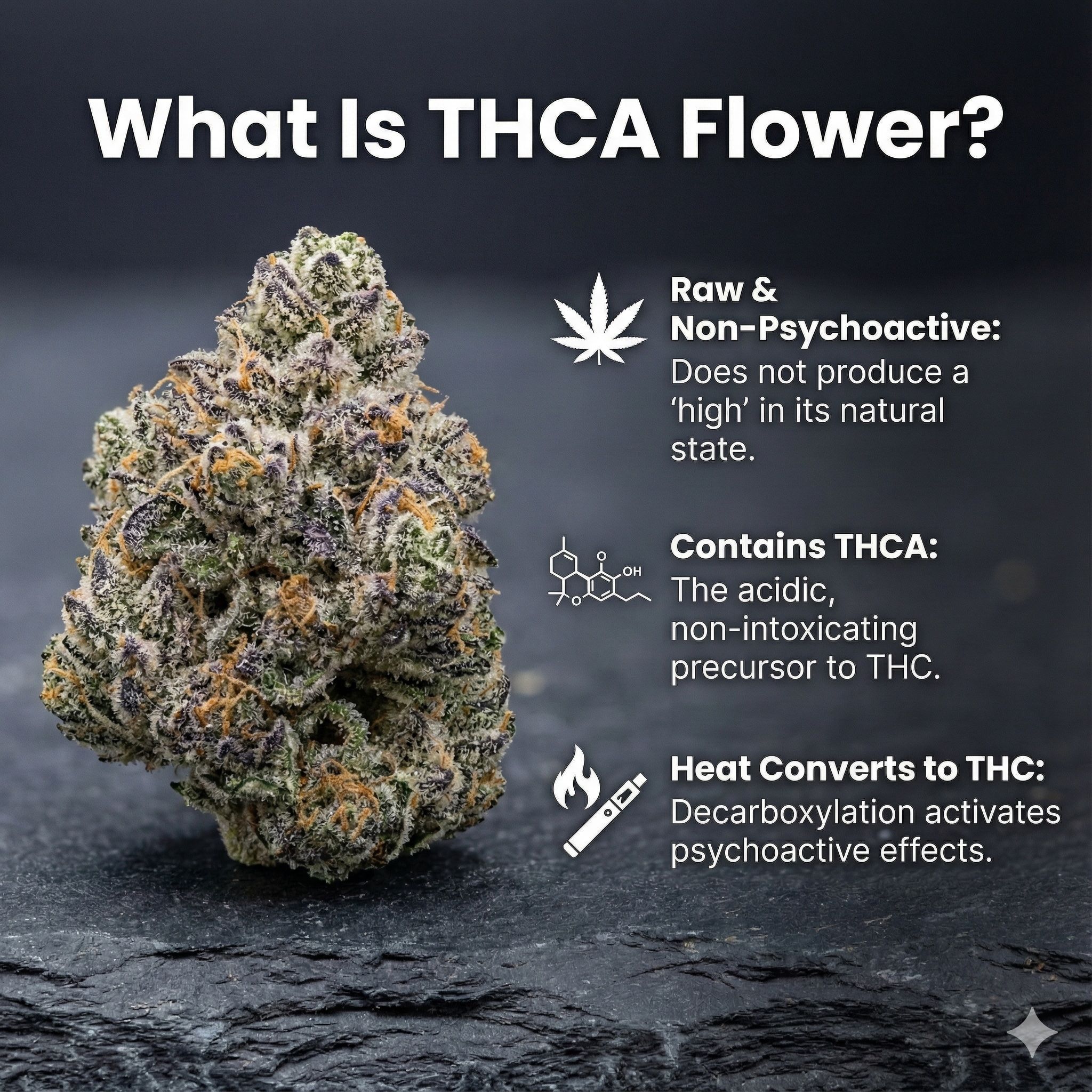
Think of THCA flower as cannabis in its most natural state. When you look at a freshly harvested cannabis plant, nearly all of its THC content exists as THCA. The buds you see at dispensaries or in premium THCA flower collections contain primarily THCA until the moment you light up or vaporize them.
The Chemical Structure
THCA and THC share almost identical molecular structures, with one crucial difference. THCA contains an extra carboxyl group (COOH) attached to its molecule. This additional group prevents THCA from binding effectively with CB1 receptors in your brain—which is why it doesn’t produce intoxicating effects.
When heat is applied, that carboxyl group breaks off as carbon dioxide, transforming THCA into THC. Scientists call this process “decarboxylation,” and it happens almost instantly when you smoke or vape cannabis flower.
THCA vs THC: Understanding the Difference
Understanding the distinction between THCA and THC is essential for any cannabis consumer. While they’re closely related, these two compounds behave very differently in your body.
Key Differences at a Glance
| Factor | THCA | THC |
|---|---|---|
| Psychoactive | No | Yes |
| Found in | Raw cannabis | Heated cannabis |
| Receptor binding | Does not bind well to CB1 | Binds strongly to CB1 |
| Legal status | Federally legal (hemp-derived) | Federally illegal |
| Drug tests | Can convert to THC metabolites | Triggers positive results |
Why This Matters
The practical difference is simple: if you consume raw THCA flower without heating it, you won’t experience any intoxicating effects. However, the moment you smoke it, vape it, or cook it into edibles, that THCA converts to THC, and you’ll feel the familiar euphoric effects of cannabis.
This conversion is why high-quality THCA flower essentially functions like traditional marijuana when smoked. The experience, flavor, and effects are virtually indistinguishable because you’re ultimately consuming THC either way.
How Is THCA Flower Made?
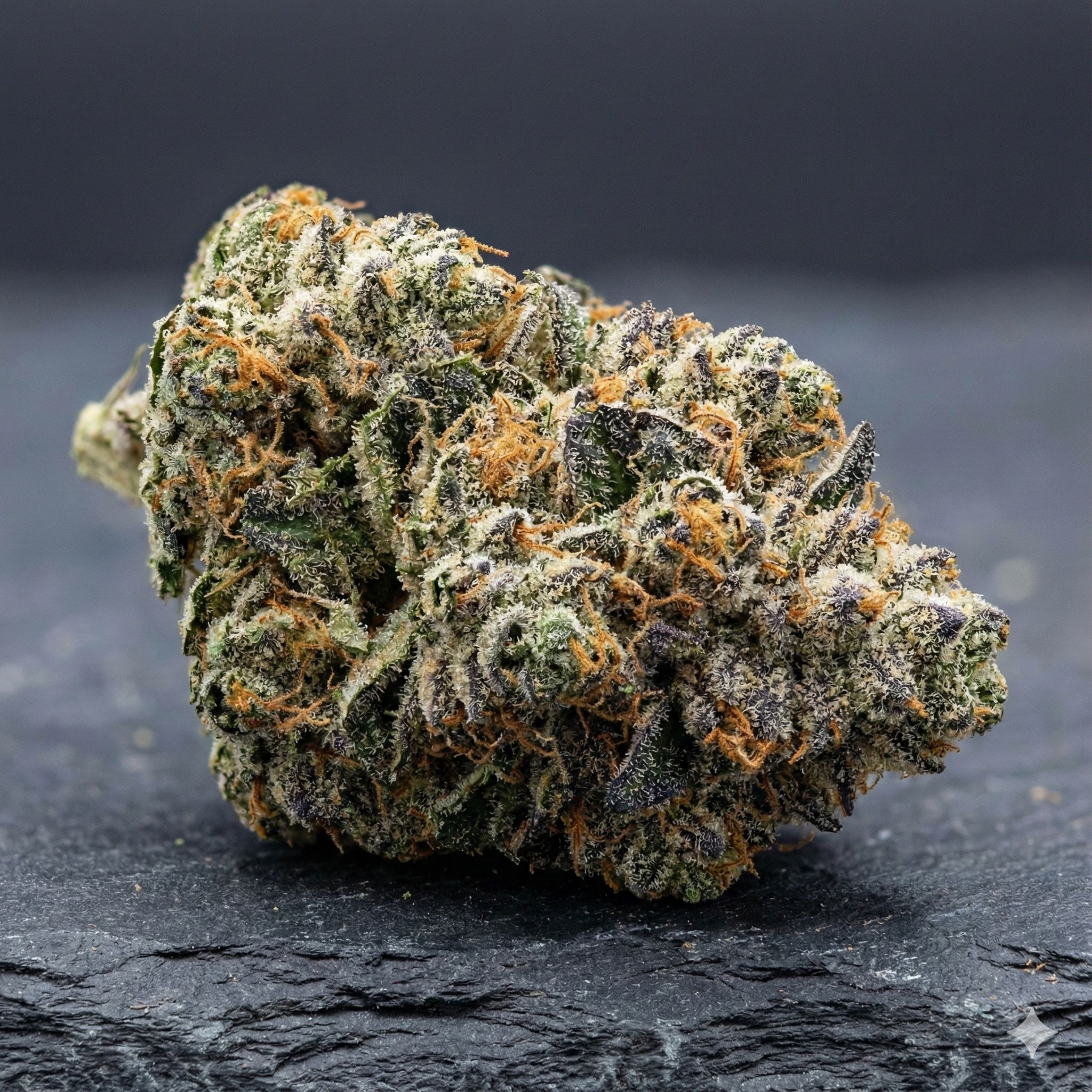
Many people wonder how THCA flower is made and whether it’s a synthetic or natural product. The good news is that THCA flower is completely natural—it’s simply cannabis flower harvested and processed to preserve its naturally high THCA content.
The Cultivation Process
Growing high-THCA flower involves selecting cannabis strains genetically predisposed to produce abundant THCA. Skilled cultivators then optimize growing conditions, including:
- Lighting schedules that maximize cannabinoid production
- Nutrient programs tailored to terpene and cannabinoid development
- Careful monitoring of temperature and humidity
- Precise harvest timing to capture peak THCA levels
Harvesting and Curing
The key to producing potent THCA flower lies in the post-harvest process. Growers must carefully dry and cure the buds at controlled temperatures to prevent premature decarboxylation. If the flower gets too warm during processing, THCA will convert to THC, potentially pushing the product over legal limits.
Premium THCA flower undergoes slow, cool curing that preserves the acidic cannabinoids while developing rich terpene profiles. This attention to detail results in flower that’s both legally compliant and incredibly potent when consumed.
The Science Behind Decarboxylation
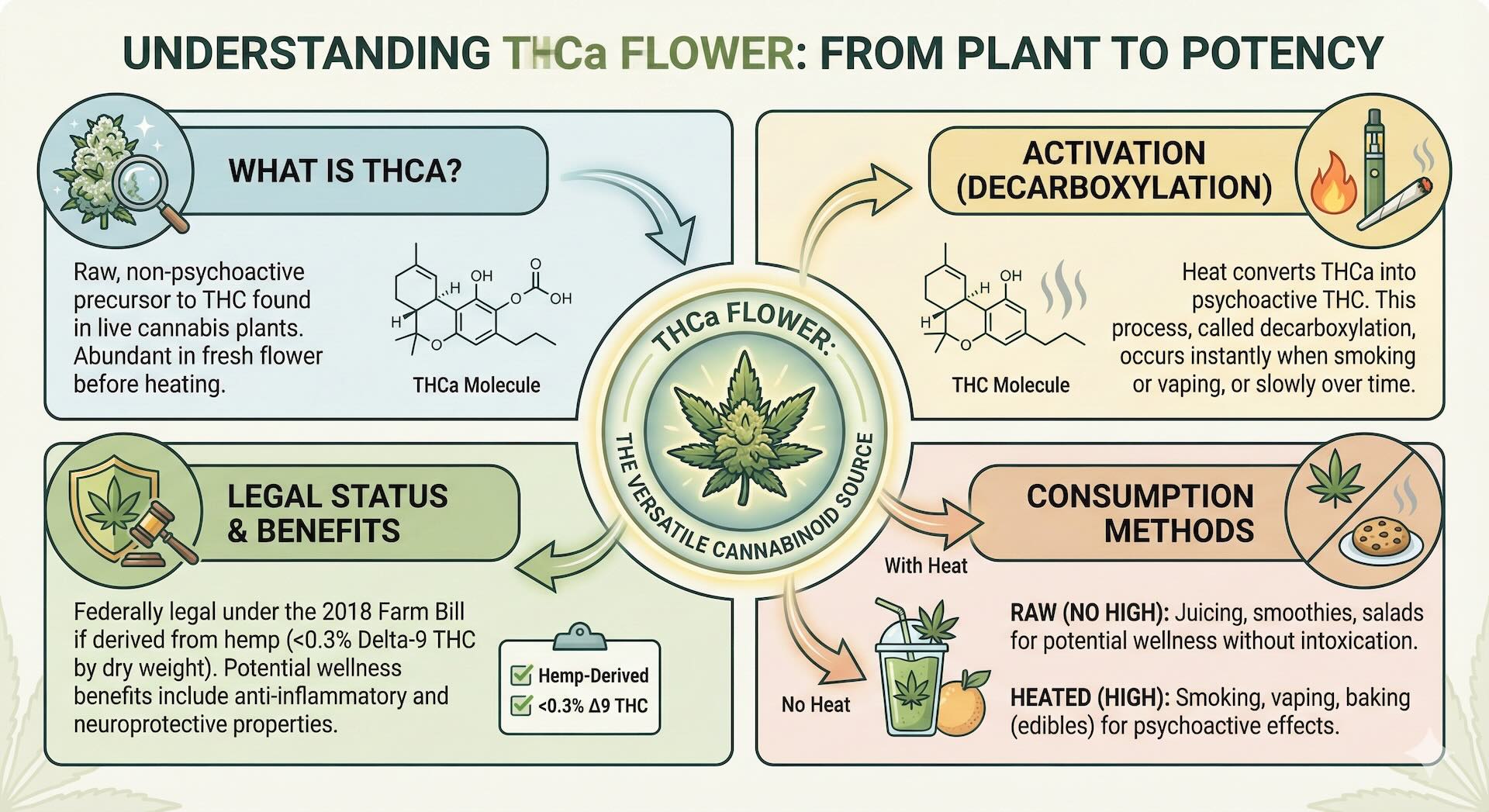
Decarboxylation is the chemical reaction that transforms THCA into THC. Understanding this process helps explain why THCA flower behaves so differently depending on how you consume it.
How Decarboxylation Works
When cannabis is exposed to heat, the THCA molecule loses its carboxyl group (COOH), releasing it as carbon dioxide (CO2). This structural change is what allows the newly formed THC to interact with your endocannabinoid system and produce psychoactive effects.
The decarboxylation process occurs at different rates depending on temperature:
- Smoking/Vaping (400°F+): Instant conversion
- Oven decarbing (220-240°F): 30-45 minutes for full conversion
- Room temperature: Very slow, partial conversion over months
Why Temperature Matters
If you’re making edibles with THCA flower, proper decarboxylation is crucial. Without adequate heat, your edibles won’t produce the expected effects because the THCA remains unconverted. Conversely, temperatures that are too high can degrade cannabinoids and terpenes, reducing potency and flavor.
For those interested in THCA prerolls, decarboxylation happens automatically when you light up—no extra steps required.
Potential Benefits of THCA Flower
Research into THCA is still evolving, but preliminary studies suggest this cannabinoid may offer several potential therapeutic benefits. Unlike THC, THCA interacts with your body through different pathways, which could make it valuable for specific applications.
Anti-Inflammatory Properties
One of the most promising areas of THCA research involves inflammation. Studies have shown that THCA may help reduce inflammatory responses in the body. This could potentially benefit individuals dealing with conditions like arthritis, inflammatory bowel disease, or general chronic inflammation.
Neuroprotective Effects
Research suggests THCA may have neuroprotective properties, meaning it could help protect brain cells from damage and degeneration. Early studies have examined THCA’s potential role in conditions like Huntington’s disease, Alzheimer’s, and Parkinson’s disease. While more research is needed, these findings are encouraging for those interested in brain health.
Anti-Nausea and Appetite Support
THCA has shown promise as an anti-emetic, potentially helping reduce nausea and vomiting. This could be particularly beneficial for individuals undergoing chemotherapy or those experiencing nausea from other medical conditions. Additionally, some research indicates THCA may help stimulate appetite in those who struggle with eating.
Pain Management
Like other cannabinoids, THCA may interact with the body’s endocannabinoid system to influence pain perception. Many users report using raw THCA products for managing chronic pain and muscle discomfort without the psychoactive effects of THC.
Important Note: While these potential benefits are exciting, THCA products are not FDA-approved treatments for any medical condition. Always consult with a healthcare professional before using THCA flower for therapeutic purposes.
How to Use THCA Flower
One of the best things about THCA flower is its versatility. Depending on your goals, you can consume it in several ways—each producing different effects.
Smoking and Vaping (Psychoactive)
When you smoke or vape THCA flower, the heat instantly converts THCA to THC. This method delivers fast-acting effects identical to traditional cannabis consumption. You’ll experience:
- Euphoria and relaxation
- Altered perception
- Enhanced creativity
- Potential stress and pain relief
Smoking remains the most popular consumption method, and high-quality THCA flower provides an experience indistinguishable from dispensary marijuana.
Raw Consumption (Non-Psychoactive)
For those seeking potential therapeutic benefits without intoxication, consuming raw THCA flower is an excellent option. Popular methods include:
- Juicing fresh cannabis leaves and flowers
- Adding ground flower to smoothies or shakes
- Sprinkling over salads or cold dishes
- Taking THCA tinctures or capsules
Raw consumption preserves THCA in its acidic form, allowing you to experience its unique benefits without any psychoactive effects.
Making Edibles
If you want to create THC-infused edibles, you’ll need to decarboxylate your THCA flower first. Here’s a basic process:
- Preheat your oven to 240°F
- Break flower into small, even pieces
- Spread on a parchment-lined baking sheet
- Bake for 30-40 minutes, stirring halfway through
- Allow to cool before infusing into butter or oil
Topical Applications
THCA can also be extracted and infused into lotions, balms, or salves for localized relief. These products may help with muscle soreness, joint discomfort, or skin irritation without any psychoactive effects.
Is THCA Flower Legal?
The legal status of THCA flower exists in an interesting gray area that works in consumers’ favor. Here’s what you need to know about purchasing and possessing THCA flower.
Federal Law
Under the 2018 Farm Bill, hemp and hemp-derived products containing less than 0.3% Delta-9 THC by dry weight are federally legal. Since THCA is not Delta-9 THC, and since THCA flower naturally contains minimal Delta-9 THC before heating, most THCA flower products comply with federal law.
This legal distinction allows THCA flower to be:
- Grown legally as industrial hemp
- Sold online and shipped to most states
- Purchased without a medical card or dispensary visit
State Laws
While THCA flower is federally legal, individual states may have their own regulations. Some states have moved to restrict THCA products, while others fully embrace hemp-derived cannabinoids. In Texas, hemp-derived THCA flower remains available for adult consumers.
Before purchasing, it’s always wise to verify your state’s specific laws regarding THCA and hemp products.
A Word About Drug Tests
Even though THCA flower is legal, be aware that smoking or vaping it will convert THCA to THC in your body. Standard drug tests look for THC metabolites, so consuming THCA flower through any heated method can trigger a positive result. If drug testing is a concern, you should avoid THCA products or consult with your employer.
What Is THCA Infused Flower?
You might encounter products labeled as “THCA infused flower” and wonder how they differ from regular THCA flower. Understanding this distinction helps you make informed purchasing decisions.
Natural vs. Infused
Natural THCA flower comes from cannabis strains bred to produce high THCA levels. The cannabinoid content develops naturally during the plant’s growth cycle.
THCA infused flower starts with hemp flower that may have lower natural THCA levels. Producers then apply concentrated THCA extract to the buds, boosting the overall cannabinoid content. This process can create products with extremely high THCA percentages.
Pros and Cons
Infused flower benefits:
- Can achieve very high potency levels
- Allows consistent dosing across batches
- May be more affordable than exotic natural strains
Potential drawbacks:
- Some consider it less “natural”
- Quality depends heavily on the extract used
- May not have the same terpene complexity
Both natural and infused THCA flower can provide excellent experiences. The best choice depends on your personal preferences and priorities.
Choosing Quality THCA Flower
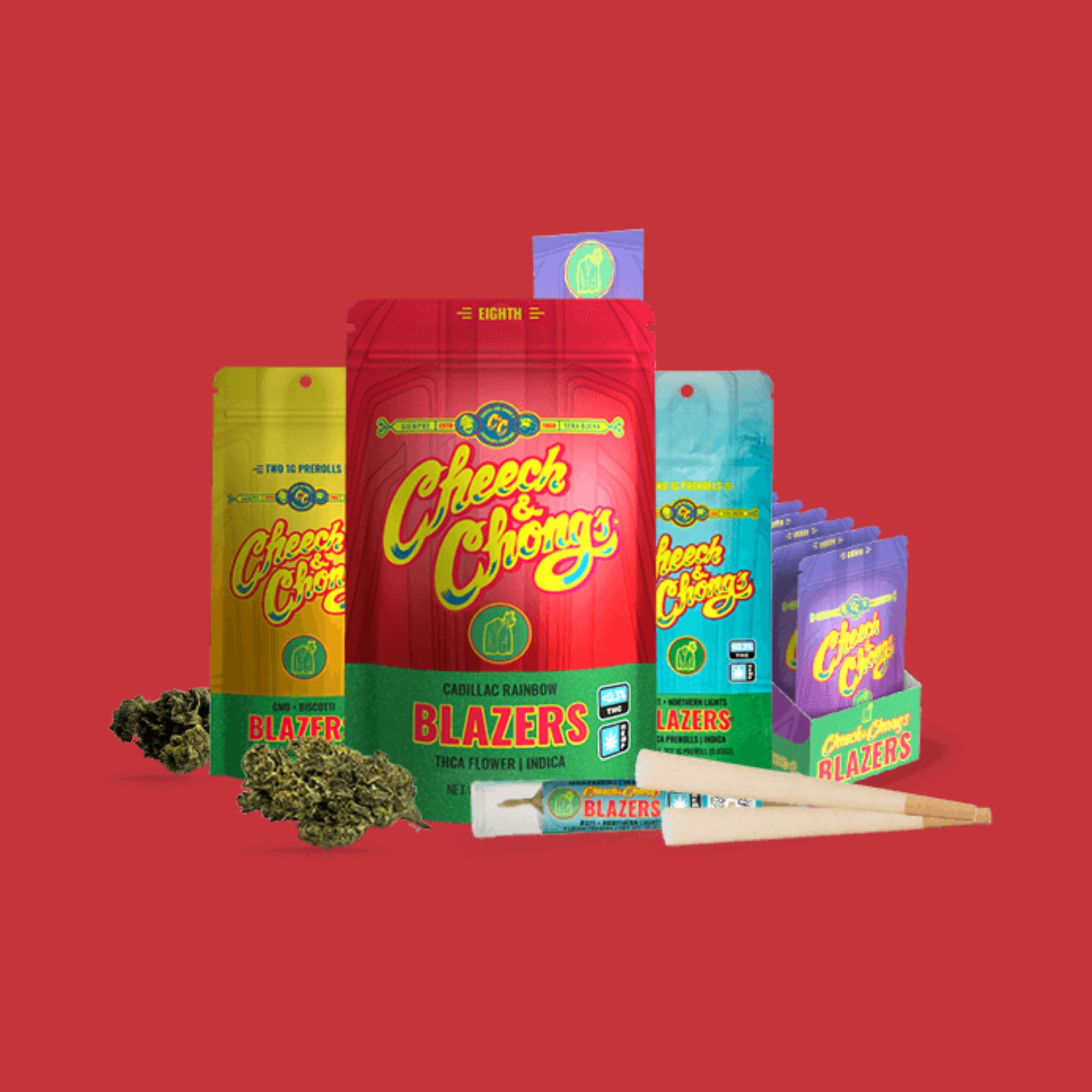
Not all THCA flower is created equal. When shopping for high THCA flower or exotic THCA flower strains, consider these factors to ensure you’re getting a premium product.
Third-Party Lab Testing
Reputable brands provide Certificates of Analysis (COAs) from independent laboratories. These tests verify:
- Accurate cannabinoid content (THCA, THC, CBD percentages)
- Absence of pesticides and heavy metals
- No residual solvents
- Compliance with legal THC limits
Never purchase THCA flower from a company that doesn’t provide current lab results.
Appearance and Aroma
Quality THCA bud should exhibit:
- Dense, well-trimmed buds without excess stems or leaves
- Visible trichome coverage (frosty, crystal appearance)
- Vibrant colors ranging from deep greens to purples
- Strong, pleasant aroma indicating healthy terpene content
If flower looks brown, feels overly dry, or has minimal smell, it’s likely old or poorly processed.
Strain Selection
Different strains offer unique effects and flavor profiles:
- Sativa-dominant strains: Energizing, creative, uplifting
- Indica-dominant strains: Relaxing, calming, body-focused
- Hybrid strains: Balanced effects combining both
Consider what experience you’re seeking when choosing a strain.
Growing Practices
Premium THCA flower typically comes from:
- Indoor cultivation (most controlled environment)
- Greenhouse growing (natural light with environmental controls)
- Organic or pesticide-free practices
These factors affect the final product’s quality, flavor, and safety.
FAQs About THCA Flower
What is THCA concentrate?
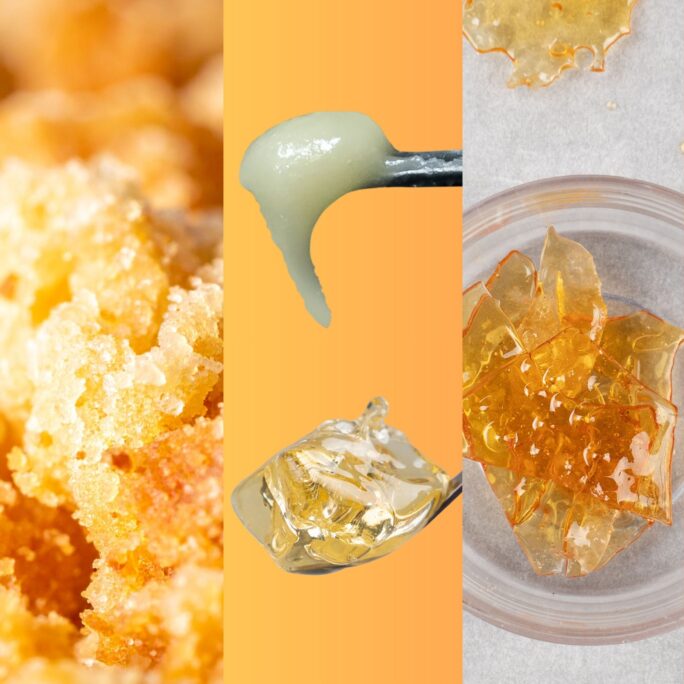
THCA concentrate is a highly purified form of tetrahydrocannabinolic acid extracted from cannabis flower. These concentrates, which include products like THCA diamonds and crystalline isolate, contain extremely high THCA percentages (often 90%+). They can be dabbed, vaporized, or added to flower for increased potency. Like THCA flower, concentrates are non-psychoactive until heated.
Does a THCA preroll get you high?
Yes, smoking a THCA preroll will produce psychoactive effects. When you light a preroll, the heat immediately converts THCA into THC through decarboxylation. The experience is essentially identical to smoking traditional marijuana—you’ll feel the familiar euphoria, relaxation, and altered perception. The “high” depends on the strain, potency, and your personal tolerance.
What is THCA infused flower?
THCA infused flower is hemp flower that has been enhanced with additional THCA concentrate or extract. Producers apply concentrated THCA to standard hemp buds, significantly boosting the cannabinoid content beyond what the plant naturally produces. This creates a more potent product while still maintaining compliance with federal hemp regulations. Infused flower offers an alternative to naturally high-THCA strains.
Will THCA flower show up on a drug test?
If you smoke or vape THCA flower, yes—it can cause a positive drug test result. When heated, THCA converts to THC, which your body metabolizes the same way as THC from marijuana. Drug tests detect THC metabolites, not the specific source. However, consuming raw THCA (unheated) is less likely to trigger positive results, though some conversion may still occur during digestion.
How should I store THCA flower?
Store THCA flower in an airtight container away from light, heat, and humidity. Glass jars with tight seals work best. Keep your flower in a cool, dark location—never in direct sunlight or near heat sources, as warmth can cause premature decarboxylation. Properly stored THCA flower maintains potency and freshness for several months.
Experience Premium THCA Flower Today
Now that you understand what THCA flower is and how it works, you’re ready to explore this exciting cannabinoid for yourself. Whether you’re interested in the potential wellness benefits of raw THCA or prefer the traditional cannabis experience that comes from smoking, high-quality THCA flower offers incredible versatility.
At Naturally Mignon, we’re committed to providing Texas cannabis enthusiasts with premium, lab-tested THCA flower that delivers on both quality and compliance. Our carefully curated selection includes exotic strains, potent prerolls, and everything you need for an elevated experience.
Ready to discover the difference quality makes?